Some seasons leave us tired in a way a good night’s sleep cannot fix. A disappointment lingers. A responsibility grows heavier. We keep showing up for the people we love but privately wonder how much longer we can keep going.
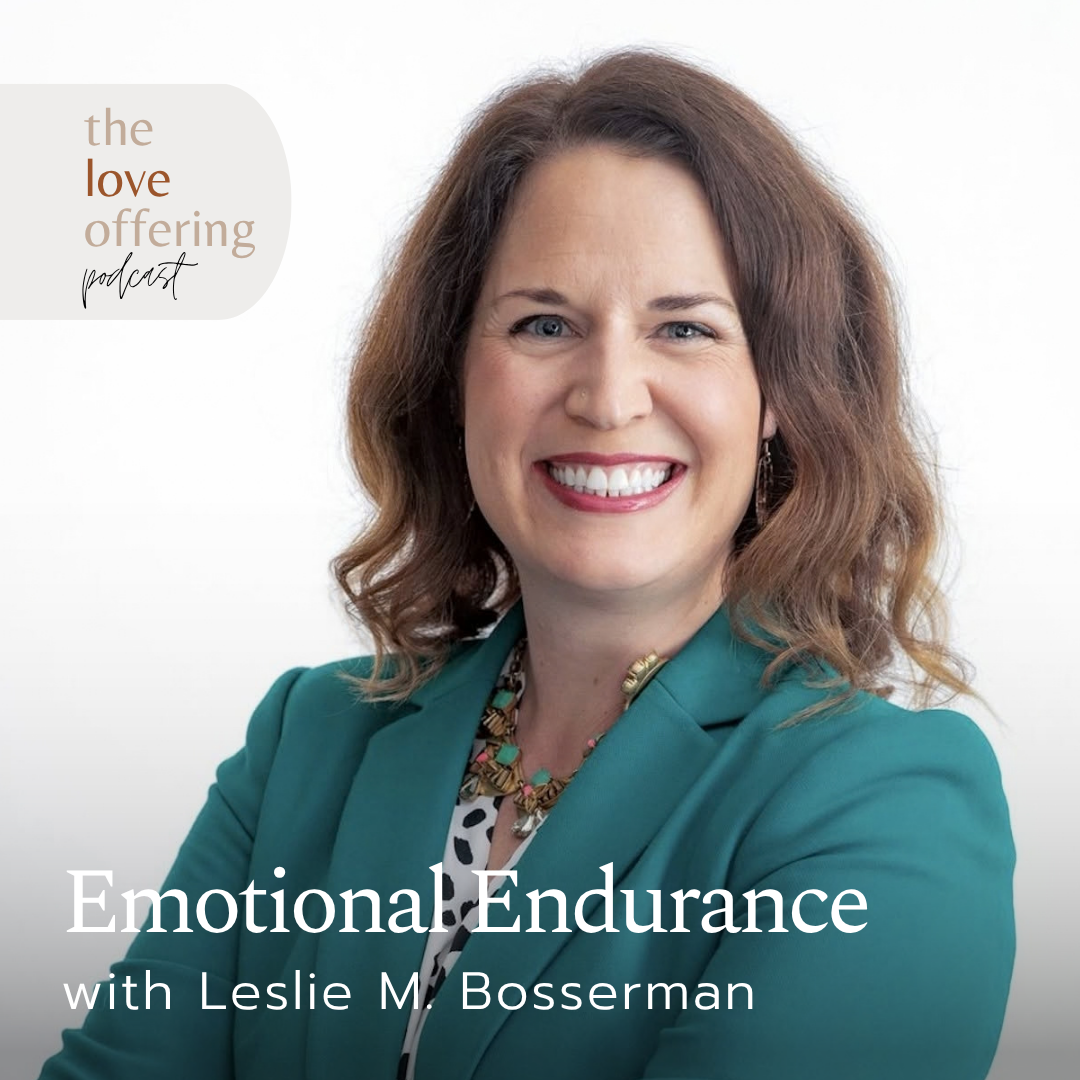
If that sounds familiar, my conversation with Leslie M. Bosserman is for you. Leslie is an executive leadership coach, educator, TEDx speaker, and author of Emotional Endurance. She has spent years studying and teaching people how to respond to setbacks, and she brings both psychological research and biblical truth to this conversation.
I appreciated that Leslie did not offer a quick fix. She offered something more useful: ways to face what is hard, care for ourselves in the middle of it, and keep moving forward with hope.
What is emotional endurance?
Leslie describes emotional endurance as the inner capacity to keep going and rise above our circumstances as we deal with life’s stresses and challenges. Resilience is part of that capacity, but her book also explores failure, hope, courage, energy, and purpose.
That distinction matters to me. When I hear “keep going,” I can easily picture adding another task to my list and pushing through until I have nothing left. Leslie’s approach asks us to pay attention to what we are feeling, what we need, and how we are responding. Growing stronger includes making room for restoration.
Her book is organized around six principles: fortitude to fail, resilience to rise, hope to heal, courage to change, energy to engage, and purpose to persevere. Each principle includes practical skills. Leslie explained that readers can begin with the area they need most, even if they have only a few minutes to read.
A setback does not have to define you
One question I brought to Leslie was about failure. It is so easy to move from “I failed at this” to “I am a failure.” How do we acknowledge what happened without allowing it to become our identity?
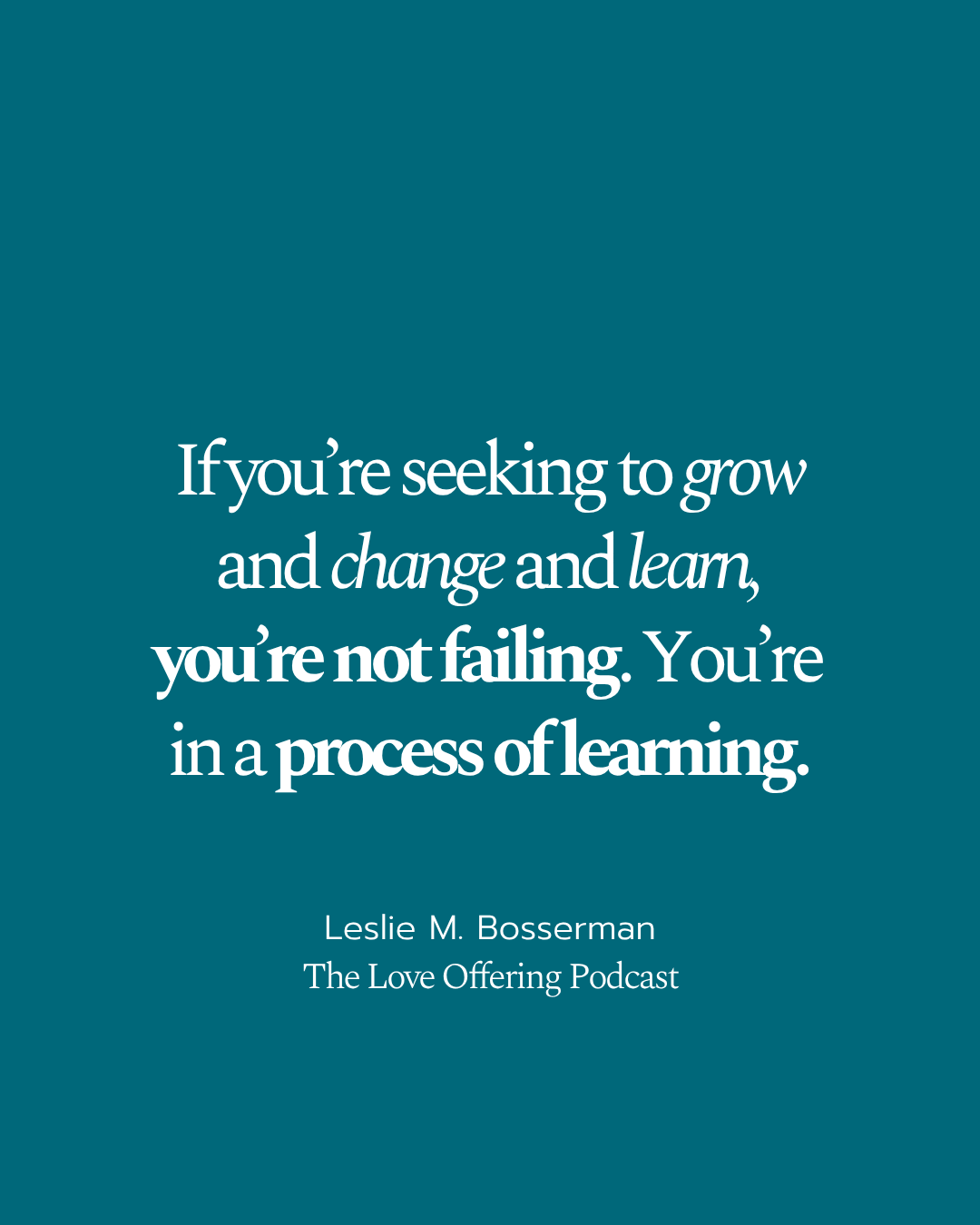
Leslie encouraged us to ask whether what we are calling failure is actually part of learning. If we are willing to recognize a mistake, receive feedback, and grow, the story is still unfolding. We may not have reached the outcome we hoped for yet.
I love the practical question she asks when someone feels stuck: What is working well? At first, that may feel like an odd question when we are disappointed. But naming even one thing that is working reminds us that we are not starting from nothing. We can use what we have learned to take the next step.
This does not make a painful setback painless. It does help us tell the truth about it without letting it tell us who we are. Our circumstances may change, but our identity remains secure in God.
Healing may take longer than we want
When we are hurting, we often want to know how to feel better as soon as possible. Leslie brought up the woman in the Gospels who suffered for years before she reached out and touched Jesus’ garment. Her healing happened in a moment, but she had endured a long road before that moment came.
I found that reminder comforting. We can trust God’s power while being honest about how difficult waiting feels. We can pray for healing and also seek the help of a physician, counselor, or trusted person. We do not have to pretend the process is easy or know exactly when it will end.
Leslie reminded us that we are not God. We cannot control the timing of every answer or repair every hurt ourselves. We can, however, bring the whole of our experience to Him and remain open to the care He provides along the way.
Notice when your reserves are running low
Leslie knows the pressure of a full life. Alongside coaching and writing, she and her husband have raised three children and served families through their preschool and coworking space. She spoke honestly about her own tendency to push through and tell herself she can rest once everything is done.
I recognized myself in that. When responsibilities keep coming, “once everything is done” may never arrive.
Leslie encouraged us to notice early signs that our reserves are low, such as feeling overwhelmed or becoming short with the people around us. She has begun taking purposeful pauses between parts of her day: breathing deeply, stretching, walking around the block, or simply taking a moment before moving on to the next responsibility.
Those pauses may sound small, but they are a way of acknowledging that we are people with limits. God gave us a pattern of rest. We can make space for it during an ordinary day, even when our responsibilities are still waiting.
Hope can begin with one honest conversation
What if hope feels out of reach? Leslie said one of the hardest and most helpful things we can do is resist the urge to isolate. When we feel stuck, ashamed, or inadequate, we may assume no one wants to see us this way.
Leslie’s encouragement was wonderfully simple: tell one trusted person the truth. We do not need to gather a crowd or find polished words. We can say, “I’m scared,” “I feel alone,” or “I don’t know what to do.” Then we can let that person listen and pray with us.
I think we sometimes expect ourselves to become hopeful before we reach out. But opening up may be one of the ways God helps us find hope again. We were made for relationship with Him and with one another.
Try a “ta-da list” tonight
Near the end of our conversation, I asked Leslie for one small practice a woman who feels emotionally depleted could begin today. Her answer surprised and moved me.
Instead of ending the day by looking only at an unfinished to-do list, Leslie suggested making a “ta-da list.” Write down the things you accomplished or moved forward that day. They do not have to be impressive to anyone else. Maybe you had a difficult conversation, cared for someone, asked for help, or took a break when you needed one.
As a devoted to-do-list maker, I know how quickly I can overlook what I did because I am focused on what remains. The ta-da list gives us a moment to notice the good God has done in and through us today.
If you are emotionally tired, perhaps that is a gentle place to begin. Tell God how you are doing. Share honestly with someone you trust. Take a purposeful pause. And tonight, write down one thing you did, even if it was simply taking the next faithful step.
Your setback does not have to be the end of your story. You do not have to recover overnight or carry it all alone. God is with you as you keep going, one day at a time.
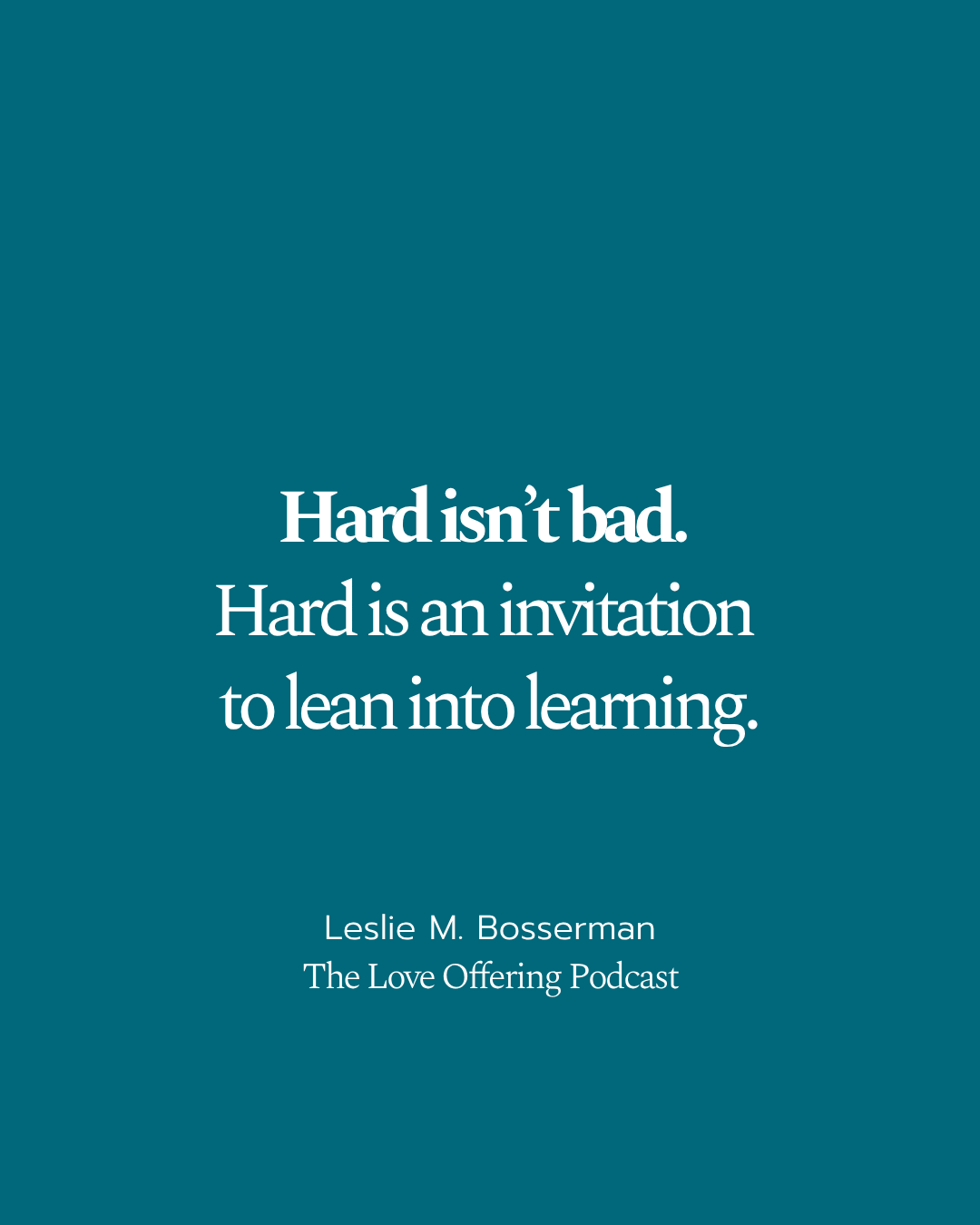
Listen to my conversation with Leslie M. Bosserman on The Love Offering Podcast, and learn more about her book at EmotionalEnduranceBook.com.
Connect with Leslie: Read her Substack, follow her on Instagram, watch her TEDx Talk, explore her coaching practice, or find her free gifts.